Connecting the Dots Across the Life Course
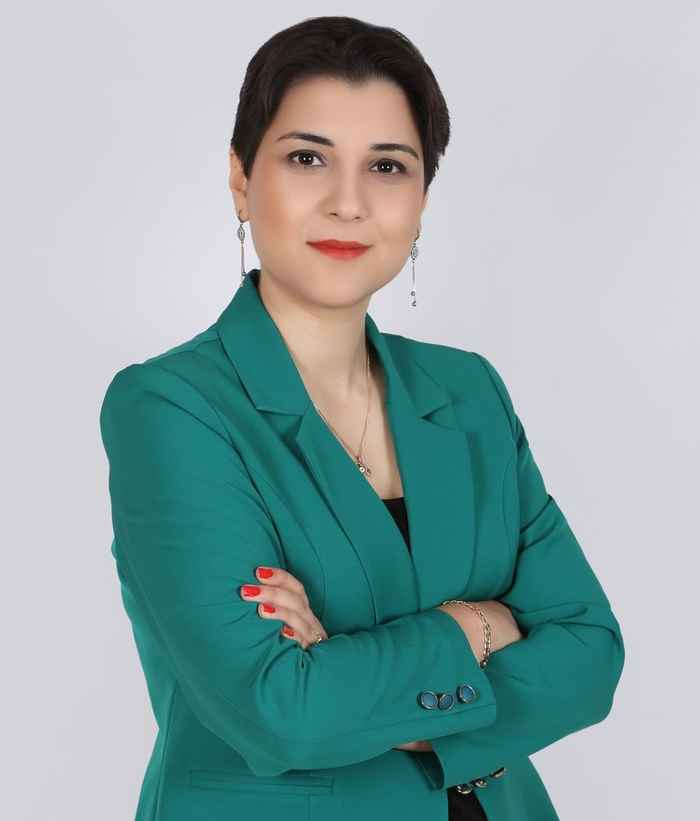
Fellowship event by Fatemeh Seifi
- Date
- 22 September 2026
- Time
- 12:00 -14:00
- Location
- Oude Turfmarkt 145-147
- Room
- Sweelinck Room
How do the experiences we have early in life become connected to who we are decades later? Human development and mental health are shaped not by a single experience or risk factor, but by a complex web of individual, family, social, behavioural, and health-related factors.
Long-running birth cohort studies offer a unique opportunity to follow these connections across different stages of life. Drawing on the Northern Finland Birth Cohort 1986, which has followed individuals from early life into adulthood, this talk explores how experiences and individual characteristics during childhood and adolescence may relate to psychological and socio-emotional wellbeing later in life.
Yet understanding such developmental pathways also presents a methodological challenge: how can we make sense of multiple factors that are potentially interconnected and unfold over time? I will discuss how network approaches can complement more traditional ways of analysing longitudinal data by shifting the focus from isolated predictors to patterns of relationships among multiple factors.
Using examples from my ongoing research, the lecture will consider what this perspective can offer, as well as the questions it raises, when applied to decades of cohort data. More broadly, this raises the question of whether mapping connections across the life course can help us better understand pathways toward adult wellbeing and potentially identify earlier opportunities for prevention and intervention.