Politics and Mental Health in Times of Societal Threat: Wicked or Not
- Start date
- 5 March 2026
- End date
- 6 March 2026
- Time
- 09:00
- Location
- Oude Turfmarkt 145-147
- Room
- Sweelinck Room
The workshop “Politics and Mental Health in Times of Societal Threat: Wicked or Not?” brings together leading international scholars from psychology, political science, and philosophy to discuss the interactions between contemporary societal threats and citizens’ emotions, mental health, and political attitudes and behavior.
The two-day event (05.-06.03.) provides an interdisciplinary space for in-depth discussions of the current state and future of this emerging research field. Across scientific presentations and co-creation sessions, speakers will present and discuss their work, providing multiple research perspectives that span political stress, collective emotions, emotion regulation and coping, and mental health, well-being, and resilience.
Programme- Thursday
| 8:45 | Walk-in |
| 9:00 | Welcome & Introduction |
| 9:45 | Brett Ford |
| 10:30 | Mark Brandt |
| 11:15 | Coffee Break |
| 11:30 | Delaney Peterson |
| 12:15 | Linda Bomm |
| 13:00 | Lunch Break |
| 14:00 | Claudi Bockting |
| 14:45 | Flash Sessions for Invited PhDs |
| 15:45 | Coffee Break |
| 16:15 | Co-Creation Session: Do/Stop/Try in research on mental health, emotions and politics |
| 17:00 | End |
Programme- Friday
| 8:45 | Walk-in |
| 9:00 | Noga Arikha |
| 9:45 | Manos Tsakiris |
| 10:30 | Coffee Break |
| 11:00 | Mariana Von Mohr |
| 11:45 | Luca Bernardi |
| 12:30 | Lunch Break / Mentoring Lunch |
| 13:45 | Co-Creation Session: Considering Research Gaps and Future Research Agendas |
| 14:45 | Wrap-Up / Conclusion |

About the speakers
Mark Brandt: The limited effects of everyday stress on political decision-making
Mark Brandt is an Associate Professor of Social and Personality Psychology at Michigan State University. He studies ideological and moral beliefs – such as political ideology, racism, religious fundamentalism, and moral conviction – and how they structure attitudes and behaviors, how they become moralized, and why people adopt them in the first place. He is currently on a visit to the NIAS as a Theme group Fellow on the project “A Comprehensive Map of the Threat-Politics Relationship”.

Brett Ford: Coping with political stress
Brett Ford is an Associate Professor of psychology at the University of Toronto and the director of the Affective Science & Health Laboratory. She completed her doctoral training in social-personality from the University of California, Berkeley after receiving her B.A. in psychology and M.A. in social-personality psychology from Boston College. Her research examines what people believe about emotions and how people manage their emotions. Using multi-method and interdisciplinary approaches, her lab considers the benefits and the costs of striving to feel good.
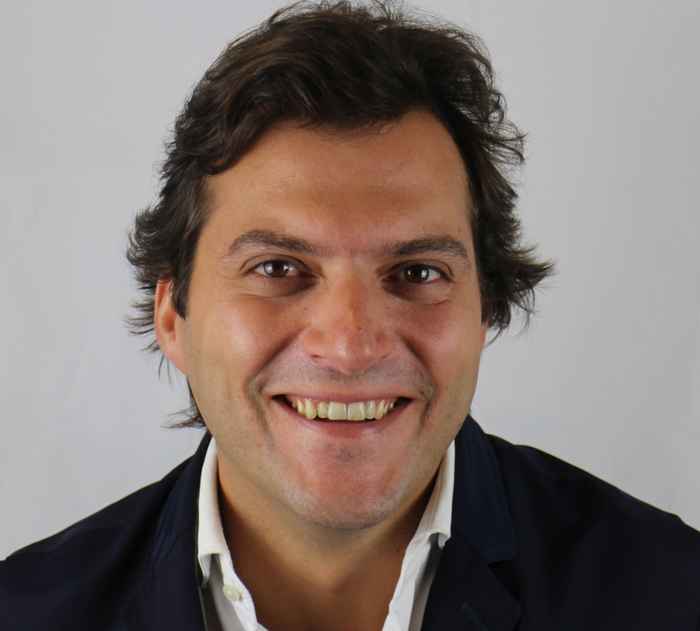
Manos Tsakiris: Feeling the body politic: interoception as a mechanism of political stress resilience
Manos Tsakiris is Professor of Psychology at the Department of Psychology, Royal Holloway, University of London, where he directs the Lab of Action & Body and the interdisciplinary Centre for the Politics of Feelings. His research focuses on empirically identifying the basic neurocognitive principles governing the sense of agency and body-ownership, and the interaction between them. His research is inter-disciplinary, based on neuroscientific and psychological experimental paradigms as well as on neurophilosophical approaches to selfhood.
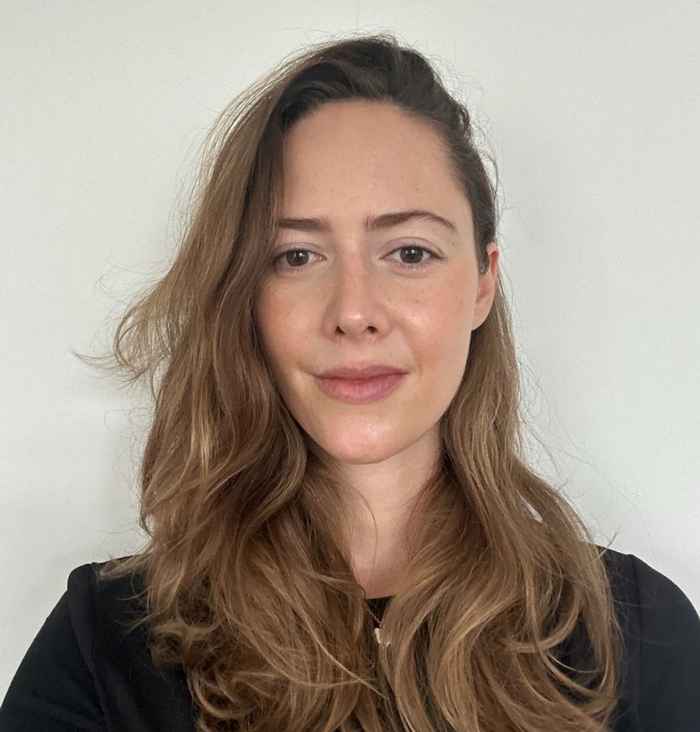
Mariana von Mohr: Stress, Alexithymia, and Susceptibility to Socially Prescribed Political Emotions
Mariana von Mohr is a Postdoctoral Research Fellow in Social Neuroscience at the Centre for the Politics of Feelings, School of Advanced Study, University of London. She holds a PhD in Social Cognitive Neuroscience. Her research focuses on the embodied foundations of political emotions and ideology. She is particularly interested in how interoception and affective touch shape our emotional experiences, social interactions, and susceptibility to others' influence. In her research, she employs behavioral, physiological and neuroimaging techniques.
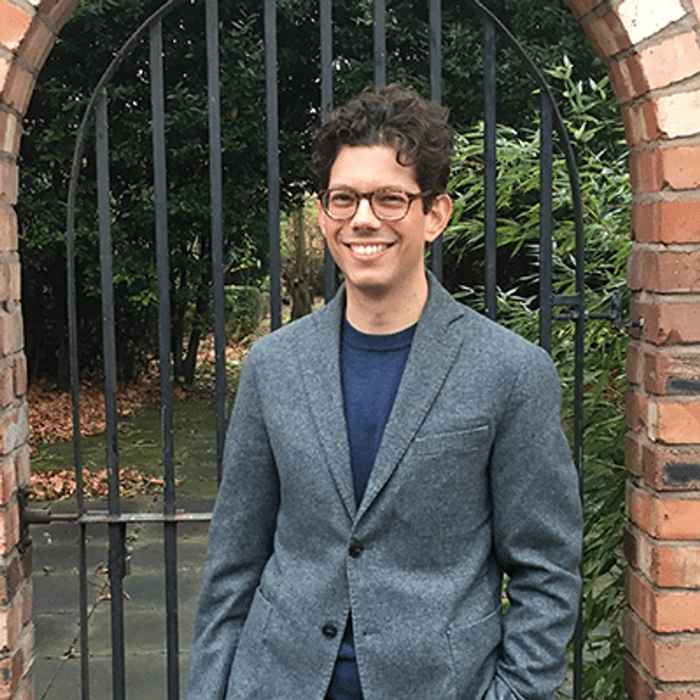
Luca Bernardi: Finding Politics Stressful: Daily Wellbeing, Emotion Regulation and Political Efficacy in the 2024 U.S. Election
Luca Bernardi is a Senior Lecturer (Associate Professor) in the Department of Politics at the University of Liverpool, and a Fellow of the Higher Education Academy. Using data from cross-national and longitudinal surveys and from survey experiments, he investigates the intersection between mental health problems, cognitive regulation processes and political engagement. In his research, he explores whether and how mental health problems affect political attitudes and behaviours, but also the way people perceive and engage in politics, select and process information, and make political decisions.
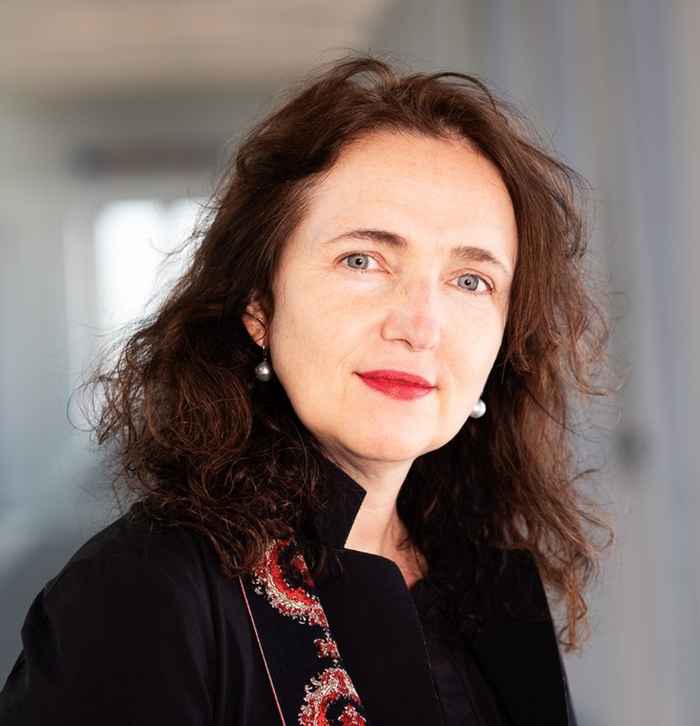
Claudi Bockting: Mental health in challenging times: a wicked challenge
o Claudi L. Bockting is a Professor in Clinical Psychology in Psychiatry at Amsterdam University Medical Center, and one of the founders and directors of the interdisciplinary Centre for Urban Mental Health of the University of Amsterdam. Her research focuses on finding potentially modifiable factors that can be targeted with innovative interventions to prevent or treat depression, anxiety and suicidality as well as increasing access of interventions in underserved populations (including those in low- to middle-income countries) by integrating technology and training non-specialists.
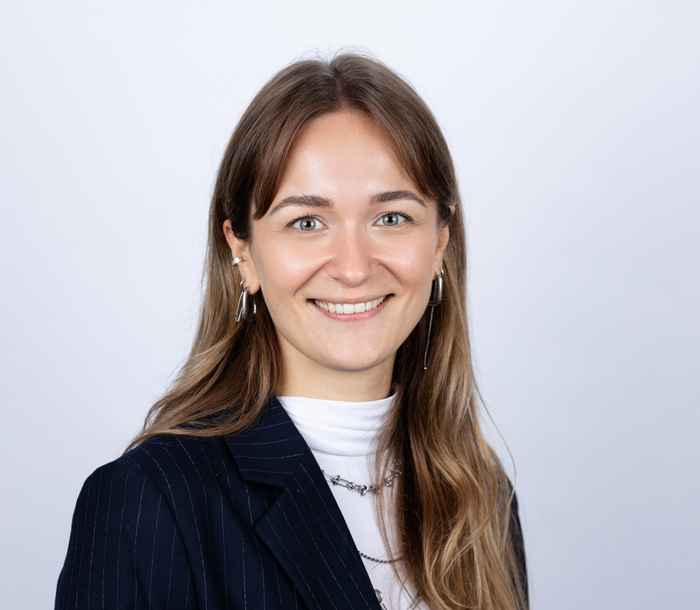
Linda C. Bomm: Emotion Regulation in Turbulent Times: Exploring How Citizens Cope with Societal Threat
o Linda C. Bomm is a PhD candidate at the Amsterdam School of Communication Research and the Hot Politics Lab. Her dissertation investigates the interplay of societal threats, emotions, and political ideology and behavior, bridging insights from political communication, psychology, and political science. In her research on how citizens regulate the emotions that socio-political contexts elicit, she draws from psychological insights on emotion regulation and stress coping and explores these phenomena in a novel socio-political context. As part of the “Under Pressure” VIDI grant team, she is one of the co-hosts of this workshop.
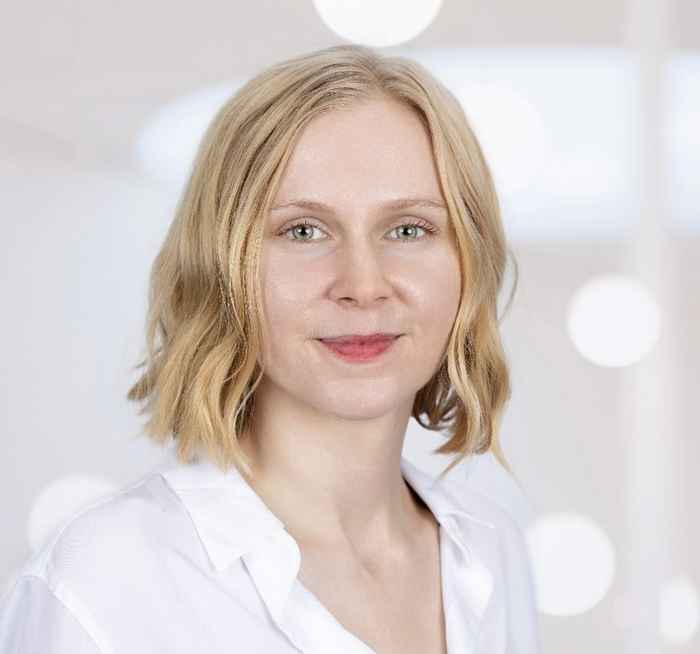
Delaney Peterson: Establishing the study of domain-specific political mental health
o Delaney Peterson is a PhD candidate with the Amsterdam School of Communication Research and the Hot Politics Lab, and one of the co-hosts of this workshop. Her work is interdisciplinary, found at the intersection between political communication, political psychology and political science. Her dissertation investigates the need for domain-specific ‘political mental health’ when understanding the relationship between mental health and politics through a mixed methods approach, spanning surveys, interviews and experimental design. As part of the “Under Pressure” VIDI grant team, she is one of the co-hosts of this workshop.
Bert N. Bakker
o Bert N. Bakker is an Associate Professor for Good Research Practices at the Amsterdam School of Communication Research. His research focuses on contemporary challenges such as social polarization and populism. He studies the psychological roots of citizens’ political beliefs, paying special attention to the role of emotions and personality. He is co-founder and co-director of the Hot Politics Lab, where he and his colleagues investigate the role of emotions and personality in politics. He and his team host this workshop as part of his NWO VIDI grant “Under Pressure: How citizens respond to threats and adopt the attitudes and behaviours to counter them”.
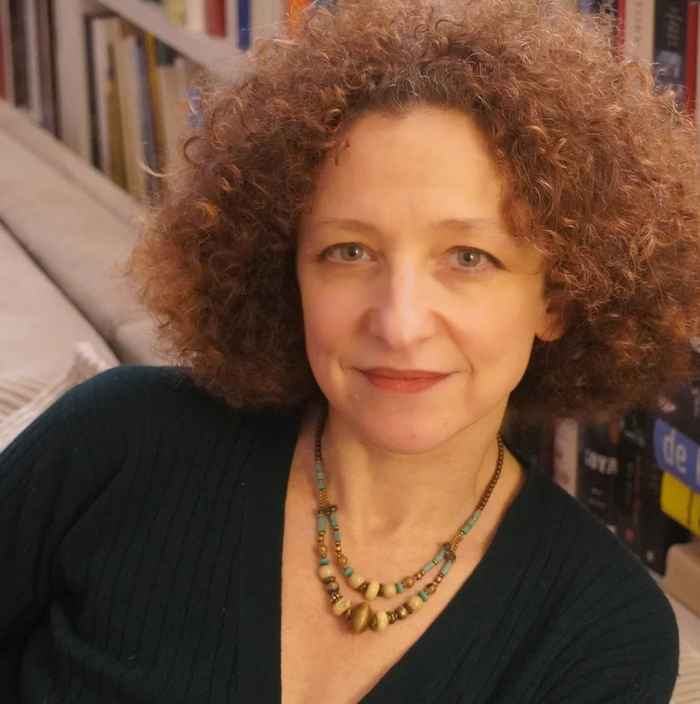
Noga Arikha: Collective emotions, politics and the self
o Noga Arikha is a Senior Expert at the Florence School of Transnational Governance at the European University Institute (EUI) in Florence, and a philosopher and historian of ideas. She works as a science humanist, fostering dialogues between neuroscientists, psychologists, clinicians, social scientists, humanists and artists to provide general audiences with accessible accounts of our embodied, feeling and thinking selves. She is concerned with the relation between mind and body, and her interests and writings encompass a broad range of periods, cultures and disciplines.