Network approaches and clinical psychology: Developing interfaces between science and treatment
Shaping Interfaces Between Science and the Public
- Date
- 2 March 2026
- Time
- 12:30 -17:00
- Location
- Oude Turfmarkt 145-147
- Room
- IAS Library
In the network approach to psychopathology, mental disorders arise out of interactions between symptoms. In the past years, several interfaces have been developed that could be used in clinical settings. Examples include tools that use network ideas in psychoeducation, tools that allow patients to draw their own networks, AI-based analyses of qualitative text to extract network information, and tools that build networks from repreated measurements (experience sampling).
This session investigates how to move forward with these approaches. First, Denny Borsboom will sketch the outlines of the network approach to mental disorders. Second, researchers who have developed or used network interfaces will give short presentations on the existing tools. Third, we will split up in smaller groups to develop ideas on where these approaches could be taken next. Finally, the groups present their work to each other, and we round off with a general discussion.
Programme
| 12:30 | Lunch (IAS Common Room) |
| 13:00 | Denny Borsboom: The network approach to psychopathology |
| 13:20 | Presentations by Maaike Steenhuis, Guðrún Guðmundsdóttir, Neelke de Jonge, Susanne Robberegt, and Meike Waaijers on interfaces in development |
| 14:00 | Bio/Coffee Break |
| 14:15 | Break-out Group Discussion – Question of the Day: How can we assist clinicians and patients using a network approach to psychopathology? |
| 15:30 | Reconnecting and Wrap-up |
| 16:00 | Open space/co-working (optional) |
| 17:00 | End |
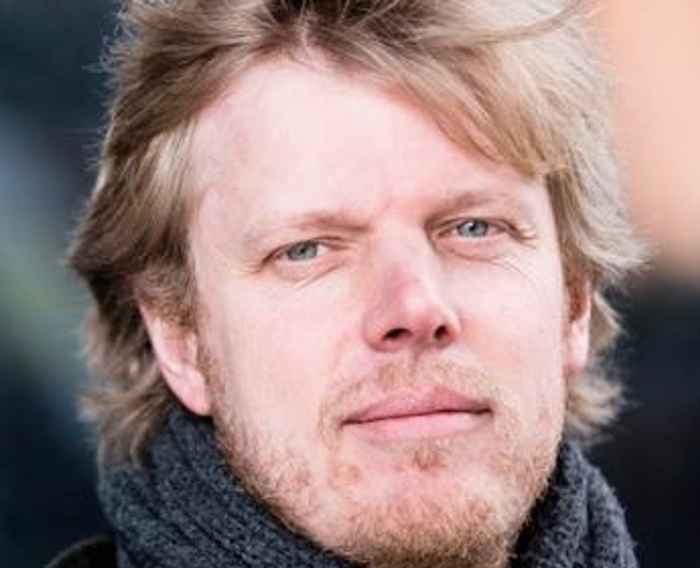
About the speakers
Denny Borsboom is Professor of Psychometrics at the University of Amsterdam and Director of its Social and Behavioural Data Science Centre.
Maaike Steenhuis and Guðrún Guðmundsdóttir are PhD students working in the New Science of Mental Disorders (NSMD) gravitation project at Maastricht University.
Neelke de Jonge is a PhD student at the Amsterdam University Medical Centre.
Meike Waaijers is a PhD student at the Psychological Methods group of the University of Amsterdam.
About the organizers
Shaping Interfaces Between Science and the Public is a UvA Research Priority Area (RPA) that aims to strengthen the relationship between science, citizen science, social debate and various professional practices. ‘Shaping Interfaces’ will open a methodological window to the world, making clearer how different fields of science work, how knowledge is created, and with what uncertainties it is surrounded. The RPA is a collaboration between the faculties of Humanities, Law, Science, Social and Behavioural Sciences, and the Amsterdam UMC. The researchers involved are renowned experts with extensive experience in policy advice-making and public engagement