Shaping Interfaces: The Human Right to Science
- Date
- 2 February 2026
- Time
- 12:30 -16:00
- Location
- Oude Turfmarkt 145-147
- Room
- Library
One of the least known rights in international human rights law is the human right to science. Despite its relative obscurity, this right is enshrined in key international instruments, including the Universal Declaration of Human Rights and the International Covenant on Economic, Social and Cultural Rights. The human right to science encompasses several dimensions: the right to participate in scientific advancement, the right to benefit from scientific progress, and the right to enjoy the protection of moral and material interests resulting from scientific discoveries. This right is crucial in addressing many of the current global challenges, such as climate change, public health crises, and technological inequalities.
Scientific knowledge and innovation are pivotal in driving sustainable development and improving quality of life. However, barriers such as lack of access to education, resources, and technology, as well as discrimination and inequality, hinder the realization of this right for many. In this seminar the normative content of the human right to science will be introduced in light of its implications for contemporary global challenges, including possible limitations to this right in order to protect against harmful effects or applications of science.
Programme
| 12:30 | Lunch in the IAS common room |
| 13:00 | Introduction by Prof. dr. Yvonne Donders, Professor of International Human Rights and member of the UN Human Rights Committee |
| 13:30 | Q&A and Plenary Discussion |
| 14:00 | Break |
| 14:15 | Break-out Group Discussion – Question of the Day: How could the right to science, and human rights in general, help to frame interfaces? |
| 15:30 | Reconecting and wrap-up |
| 16:00 | End |
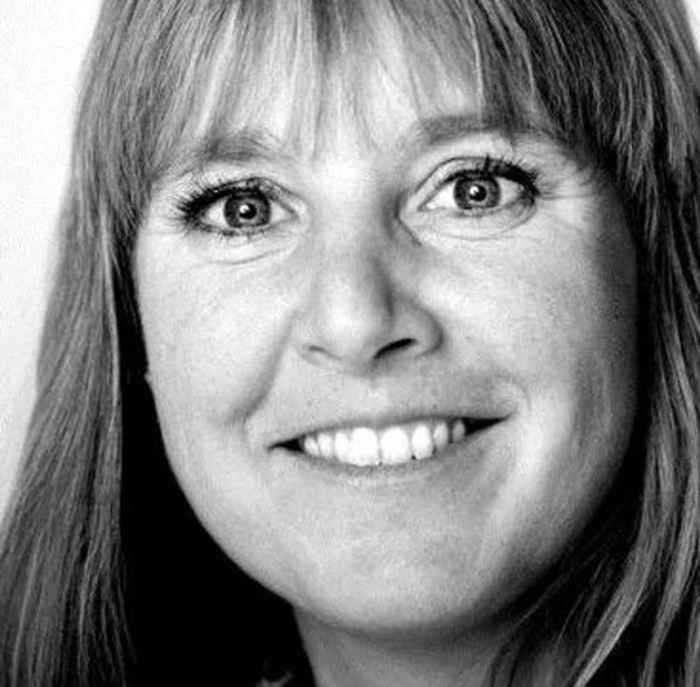
About the speaker
Yvonne Donders is Director of the Amsterdam Graduate School of Law and Professor of International Human Rights at the Department of International and European Law at the University of Amsterdam. She is elected member of the UN Human Rights Committee for the term 2023-2027.
Yvonne Donders holds a PhD from the Law Faculty of Maastricht University on cultural human rights and the right to cultural identity. Her current research and teaching focus on public international law; international human rights law, in particular economic, social and cultural rights, human rights and cultural diversity and the human right to science. Yvonne Donders is currently member of the Steering Committee of the Netherlands Network of Human Rights Research (NNHRR) and member of the Editorial Board and Executive Editor of the Netherlands Quarterly of Human Rights (NQHR). Previously she was Head of the Department of International and European Law (2015-2022) and worked as Commissioner at the Netherlands National Human Rights Institute (2019-2022). She also worked as Programme Specialist Human Rights at UNESCO HQ in Paris (2003-2006).