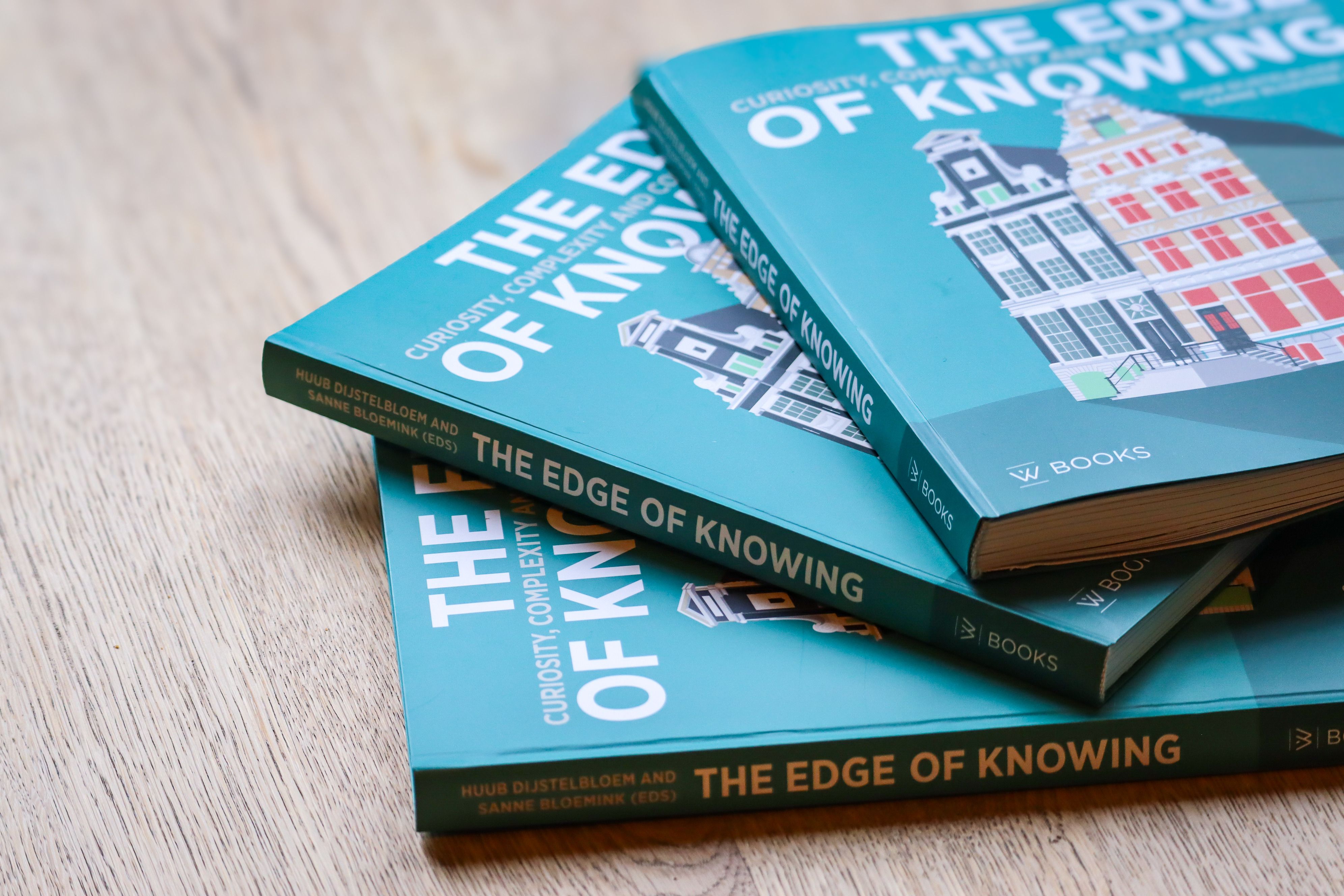
The Edge of Knowing: exploring ten years of curiosity, complexity and collaboration
The Institute for Advanced Study (IAS) of the University of Amsterdam celebrated its tenth anniversary with a four-day festival from 18 to 21 May 2026. The festival brought together more than 500 researchers, policymakers, partners and members of the public to reflect on a decade of interdisciplinary research and collaboration, and to explore the future of science.
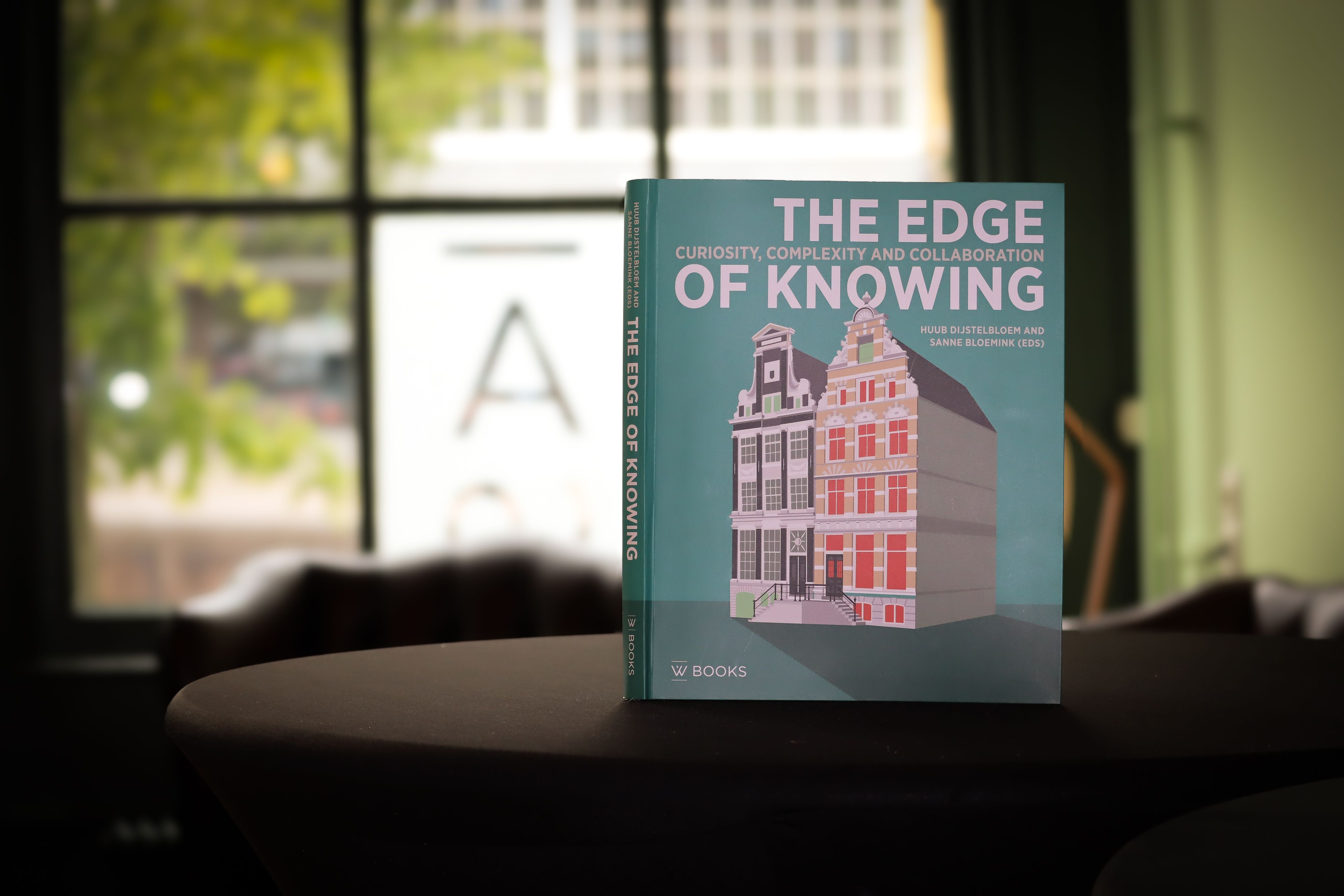
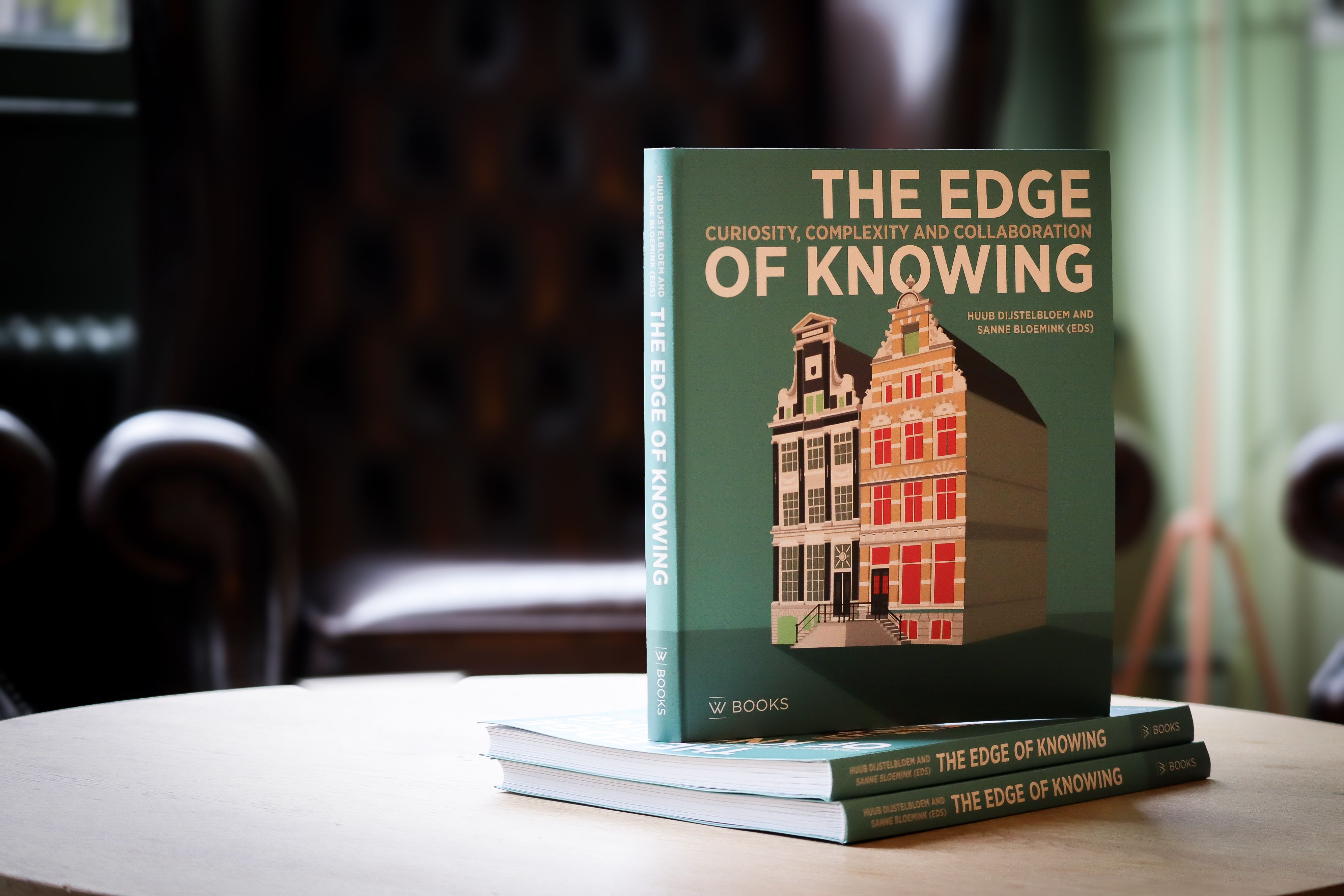
On May 18, the Institute for Advanced Study (IAS) of the University of Amsterdam presented the book "The Edge of Knowing: Curiosity, Complexity and Collaboration at the Institute for Advanced Study of the University of Amsterdam", by outgoing IAS Director Huub Dijstelbloem and Sanne Bloemink. The book, written as part of the 10th anniversary celebrations of the institute, reflects on a decade of interdisciplinary research, collaboration and intellectual exploration.
At its core, The Edge of Knowing examines how new ideas emerge and how collaboration across disciplines can transform our understanding of complex societal and scientific challenges. "This book exemplifies what the IAS continuously emphasises, namely, that research is a 12 joint effort", writes Huub Dijstelbloem.
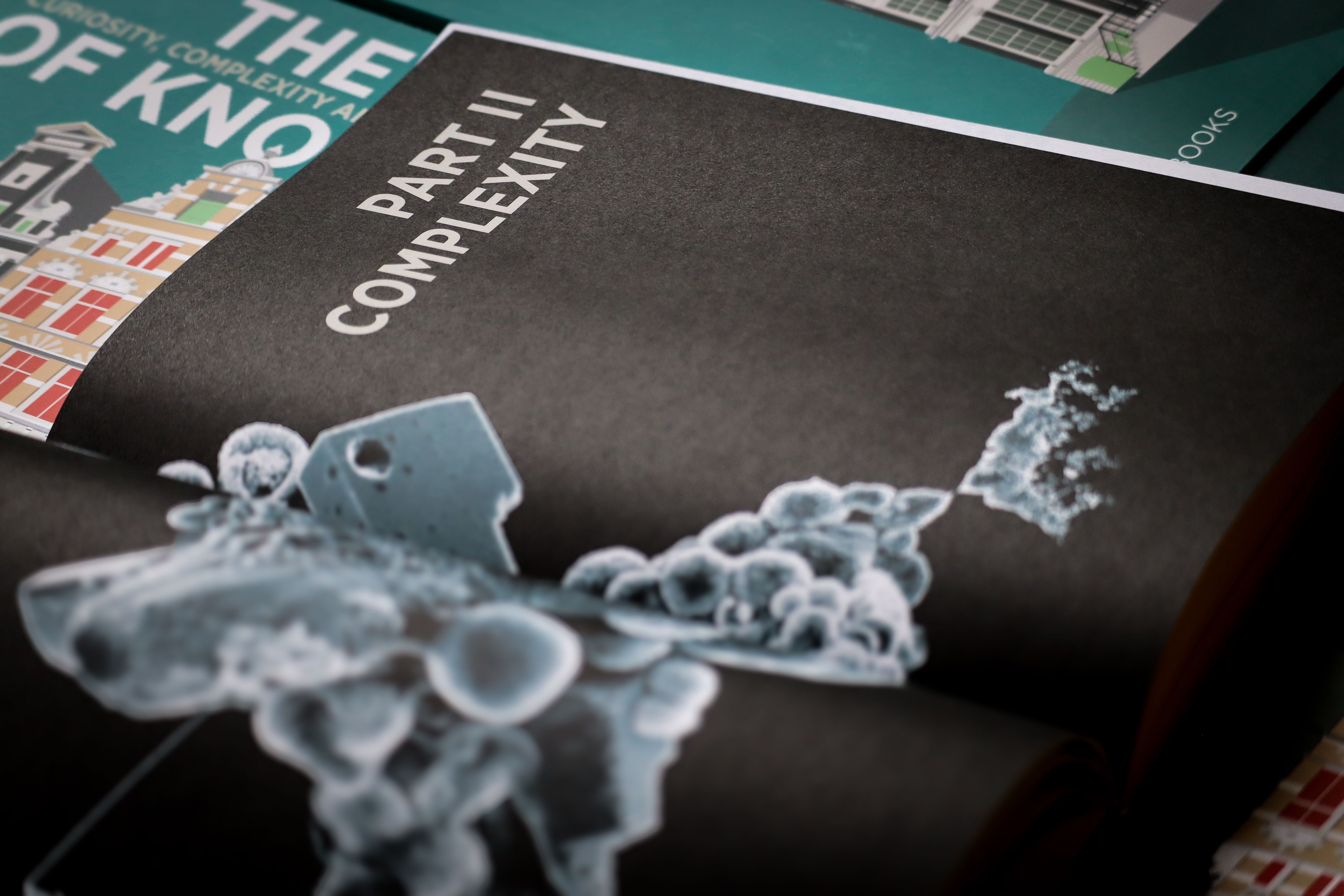
In nearly 200 pages, The Edge of Knowing provides an insight into the IAS, an environment where curiosity, complexity and collaboration converge. The book is structured around five distinctive chapters following the institute's work over the past decade, namely: advancing science and research in society, complexity, methods and mechanisms, societal challenges and networks.
Through the volume, 29 diverse voices, who shaped the institution share their experiences. Fellows, artists-in-residence, investigators and others explore how IAS impacted their research and professional trajectories, while highlighting the value of the connections formed within the institute and the institute's distinct approach towards collaborative science. As contributor Andre de Roos notes: "The IAS's beauty lies in opening intellectual windows."
The book makes a compelling case for the continued relevance of Institutes for Advanced Study in addressing the complex challenges of the twenty-first century. It highlights the importance of creating spaces where interdisciplinary, inclusive and curiosity-driven research can flourish. At the same time, the book illustrates what makes IAS unique: a vibrant intellectual community where unexpected connections flourish, and where the seeds for scientific paradigm shifts are planted.