Prestigious Early-Career Award for Suzanne Fustolo-Gunnink
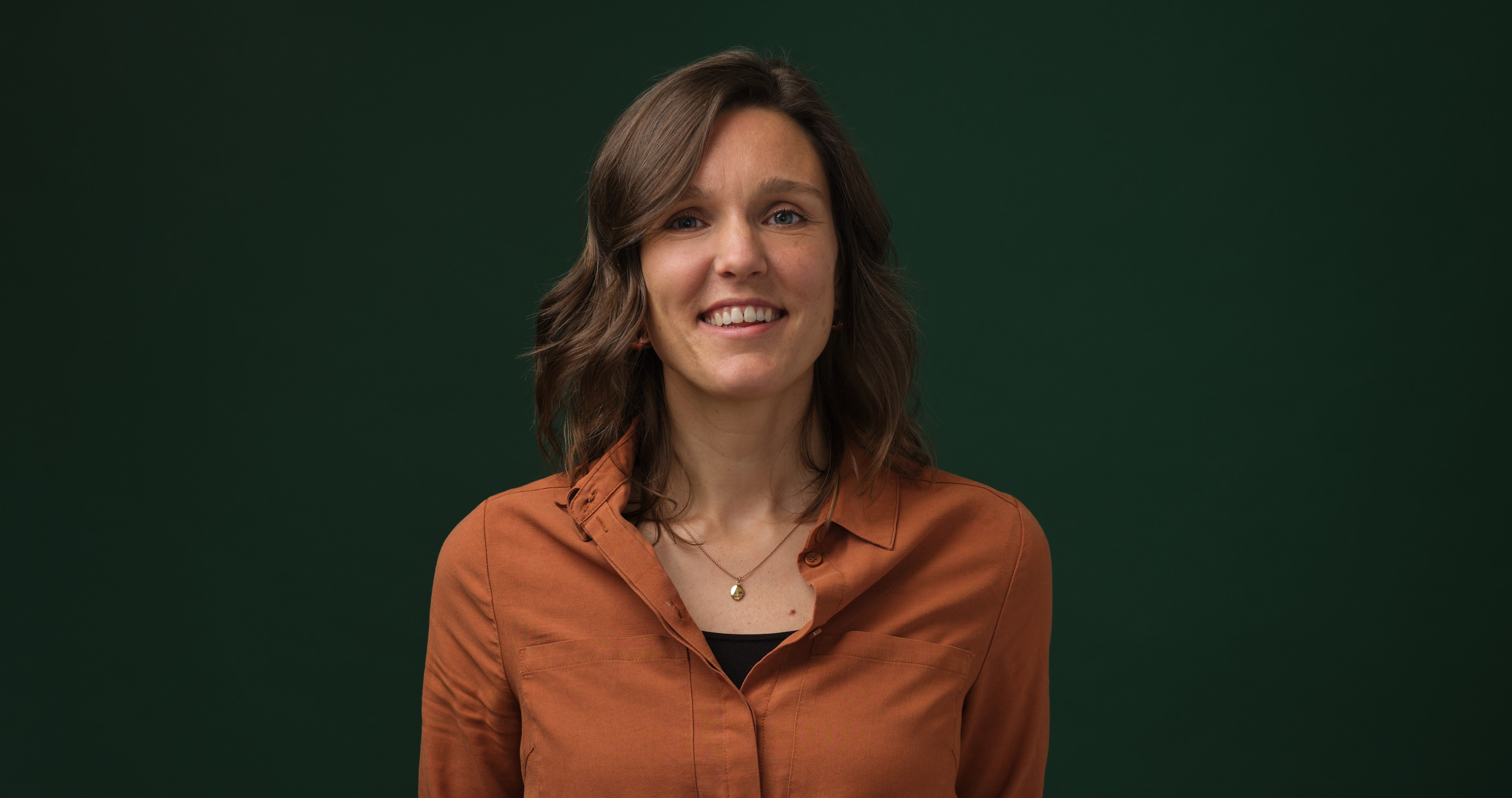
Suzanne Fustolo-Gunnink, Sanquin researcher and a policy fellow at the UvA Institute for Advanced Study (IAS), has been awarded an Early-Career Award from the Royal Netherlands Academy of Arts and Sciences (KNAW). At IAS, she collaborates with scientists from diverse disciplines, applying complexity thinking to improve medical research.
Complexity thinking in medical research
Fustolo-Gunnink focuses on the use of blood transfusions for premature infants in intensive care units. She has made significant contributions to neonatal care. She established a European network that developed international guidelines for red blood cell transfusions in newborns, addressing the needs of premature babies who often suffer from anemia. During her IAS fellowship, she explores how transfusion guidelines for premature babies could be broadened to allow more room for personalized treatment.
Fustolo-Gunnink explains, "Guidelines often come with a level of uncertainty, yet they are often followed closely in clinical settings because they provide security for doctors." At IAS, she aims to rethink how to handle the uncertainty in medical research and improve decision-making through complexity thinking. This approach could lead to broader guidelines, giving doctors more freedom to provide personalized care or even to decide not to treat in certain cases.
Healthcare decision-making
In November 2024, Suzanne will host an expert meeting at IAS with experts in different fields who can provide different perspectives on uncertainty and complexity in research and clinical practice. By integrating insights from philosophy and other fields, she aims to advance medical science and develop more flexible guidelines that better account for patient complexity.