IAS marks 10th anniversary with four-day festival celebrating a decade of interdisciplinary research
The Institute for Advanced Study (IAS) of the University of Amsterdam celebrated its tenth anniversary with a four-day festival from 18 to 21 May 2026. The festival brought together more than 500 researchers, policymakers, partners and members of the public to reflect on a decade of interdisciplinary research and collaboration, and to explore the future of science.
The Institute for Advanced Study (IAS) of the University of Amsterdam celebrated its tenth anniversary with a four-day festival from 18 to 21 May 2026. The festival brought together more than 500 researchers, policymakers, partners and members of the public to reflect on a decade of interdisciplinary research and collaboration, and to explore the future of science.
The festival opened with the launch of the publication "The Edge of Knowing: Curiosity, Complexity and Collaboration at the Institute for Advanced Study of the University of Amsterdam" by Huub Dijstelbloem and Sanne Bloemink. The book was unveiled by outgoing IAS Director Huub Dijstelbloem and presented to UvA Rector Magnificus Peter-Paul Verbeek and IAS founder Peter Sloot.
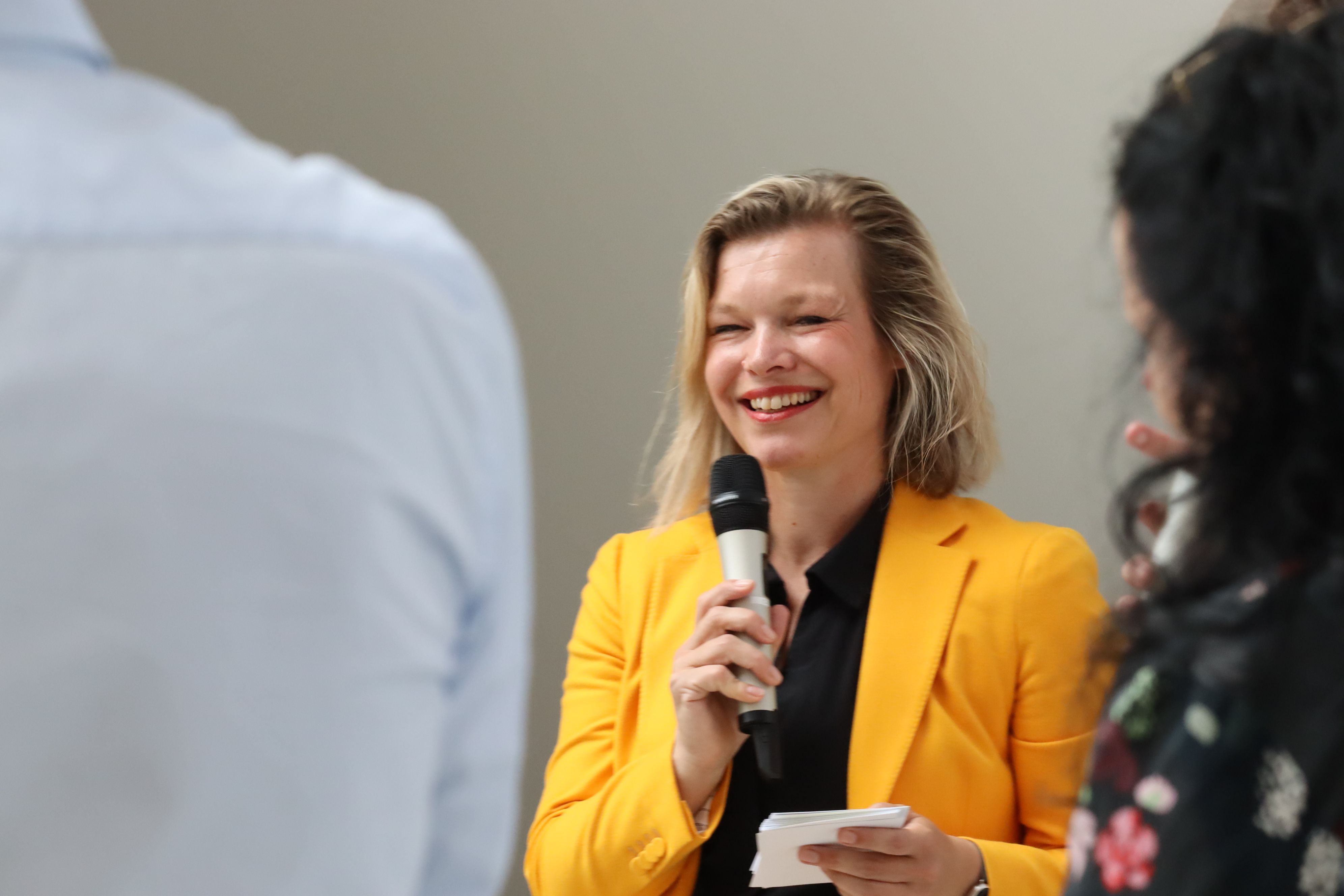
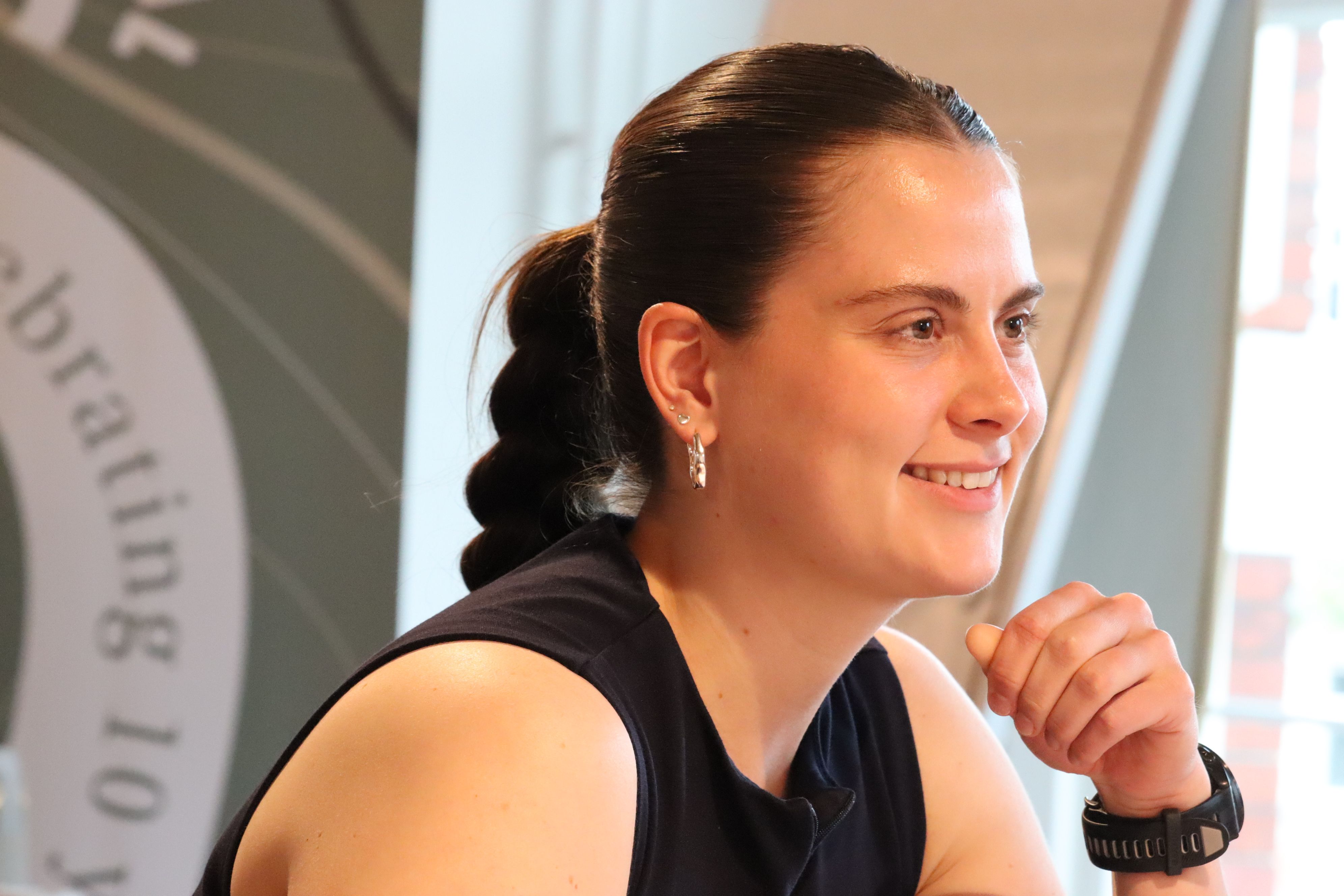
During the book launch, Olivier Bouin, Naja Hulvej Rod, Karien Stronks and Peter-Paul Verbeek and Huub Dijstelbloem were invited to reflect on their experiences with the IAS and explored transformations in science, research, and policy, as well as the role Institutes for Advanced Study can play in shaping future agendas.
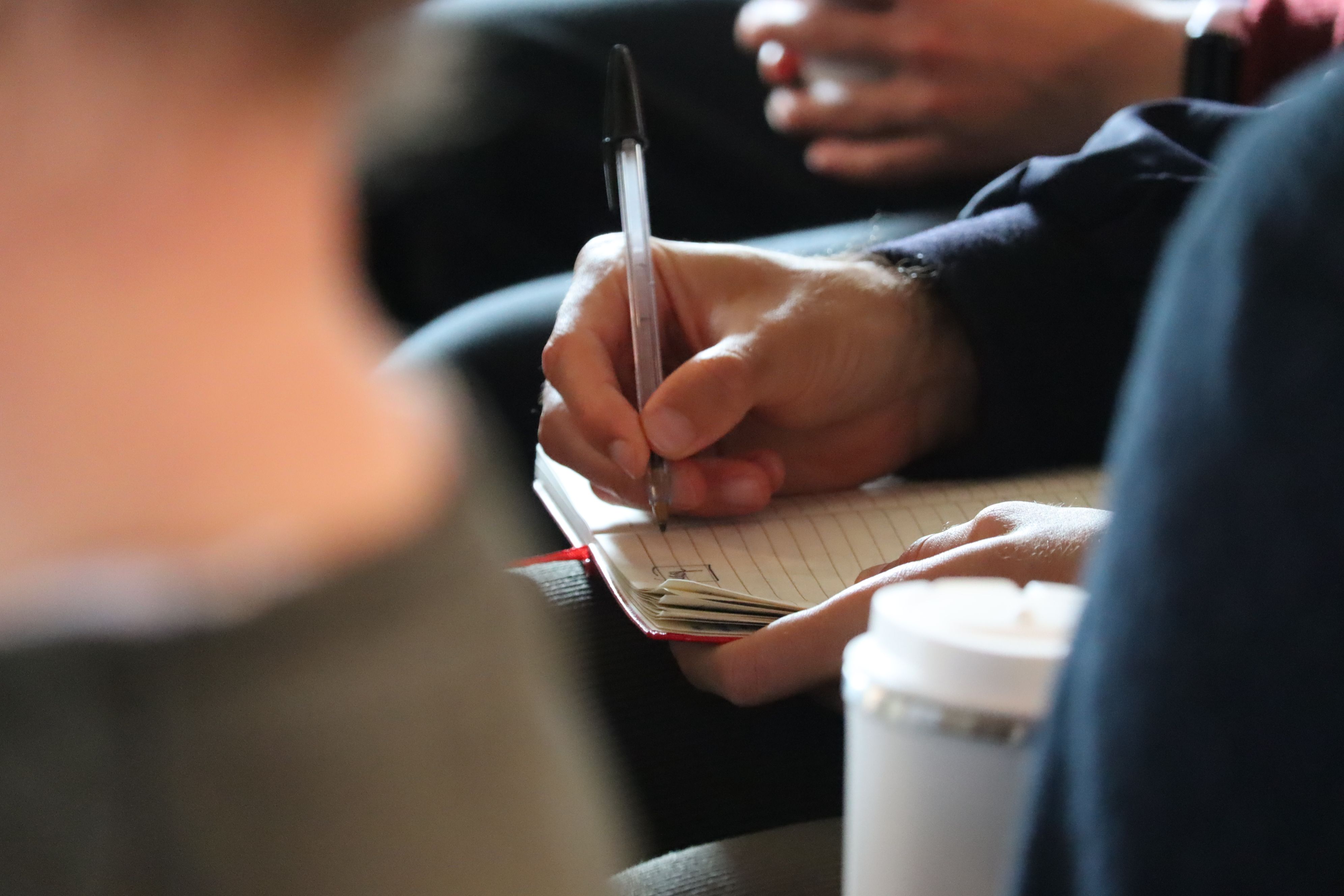
The following days, participants engaged in a diverse programme of discussions, workshops, performances and installations hosted both at IAS and several cultural and academic venues across Amsterdam, including the newly inaugurated UvA library and the Allard Pierson museum. The programme reflected the topics and perspectives that have characterised IAS over the past ten years, including climate change, artificial intelligence, governance, data ethics, public engagement, institutional transformation and the role of science in addressing complex societal issues. For instance, the Building A Shared Vision on Future Digital Infrastructures session by the AI, Media and Democracy Lab addressed one of the most prevalent questions pressing the European environment: “How do we move away from the Big Tech and what do we need to do so?”
The festival had a special emphasis on bringing together different ways of knowing. Scholars from various disciplines exchanged ideas with artists, academics and professionals demonstrating the value of collaboration beyond traditional boundaries. This was particularly evident in the session Pain Imagined, Embodied, Told: A Polyphonic Encounter Between Art, Science and Care, which explored how combining artistic practice, language, and healthcare can create new ways of understanding and communicating experiences of chronic pain. Participants were moved by the visual depiction of chronic pain via a dancing performance by Anke Zijlstra.
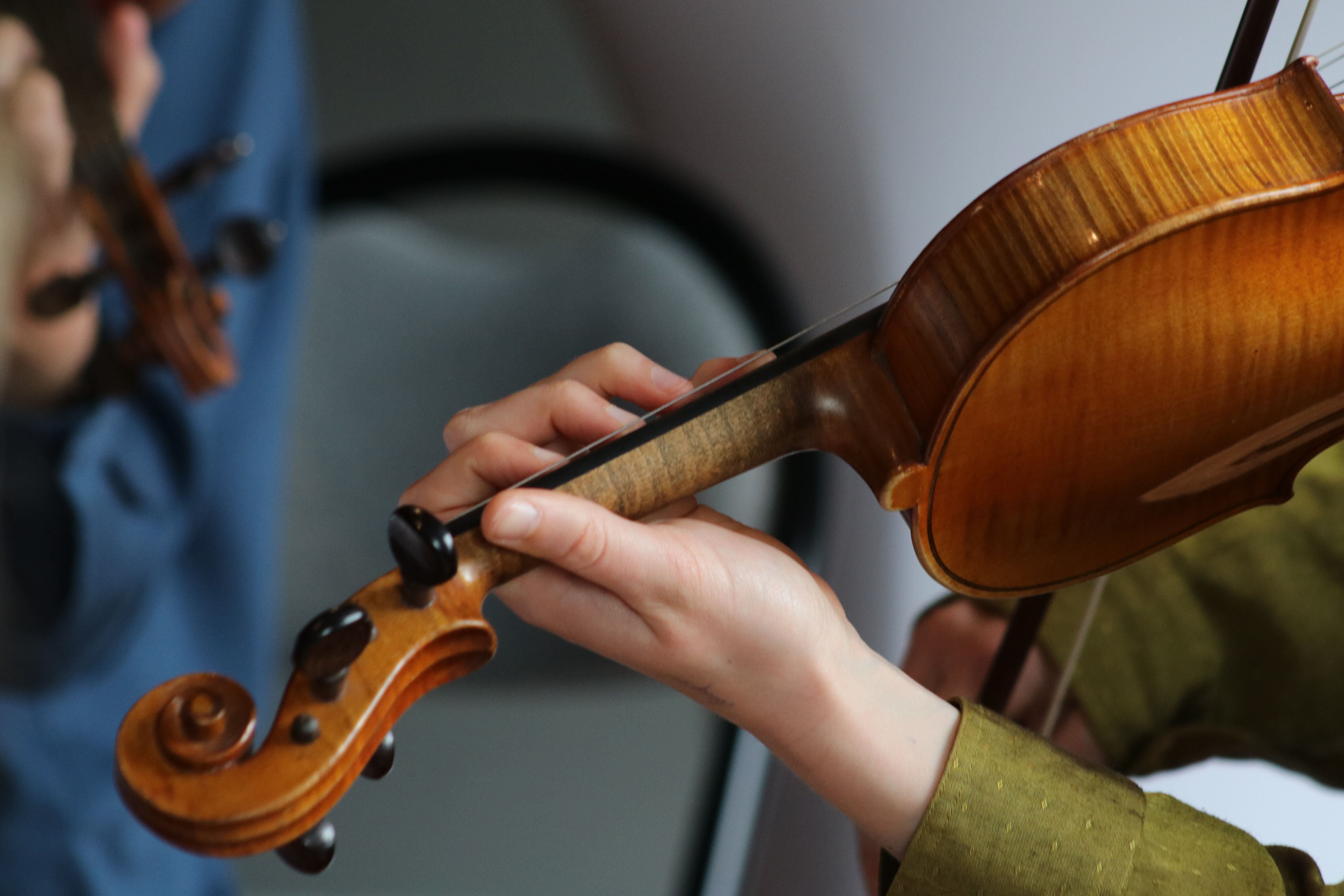
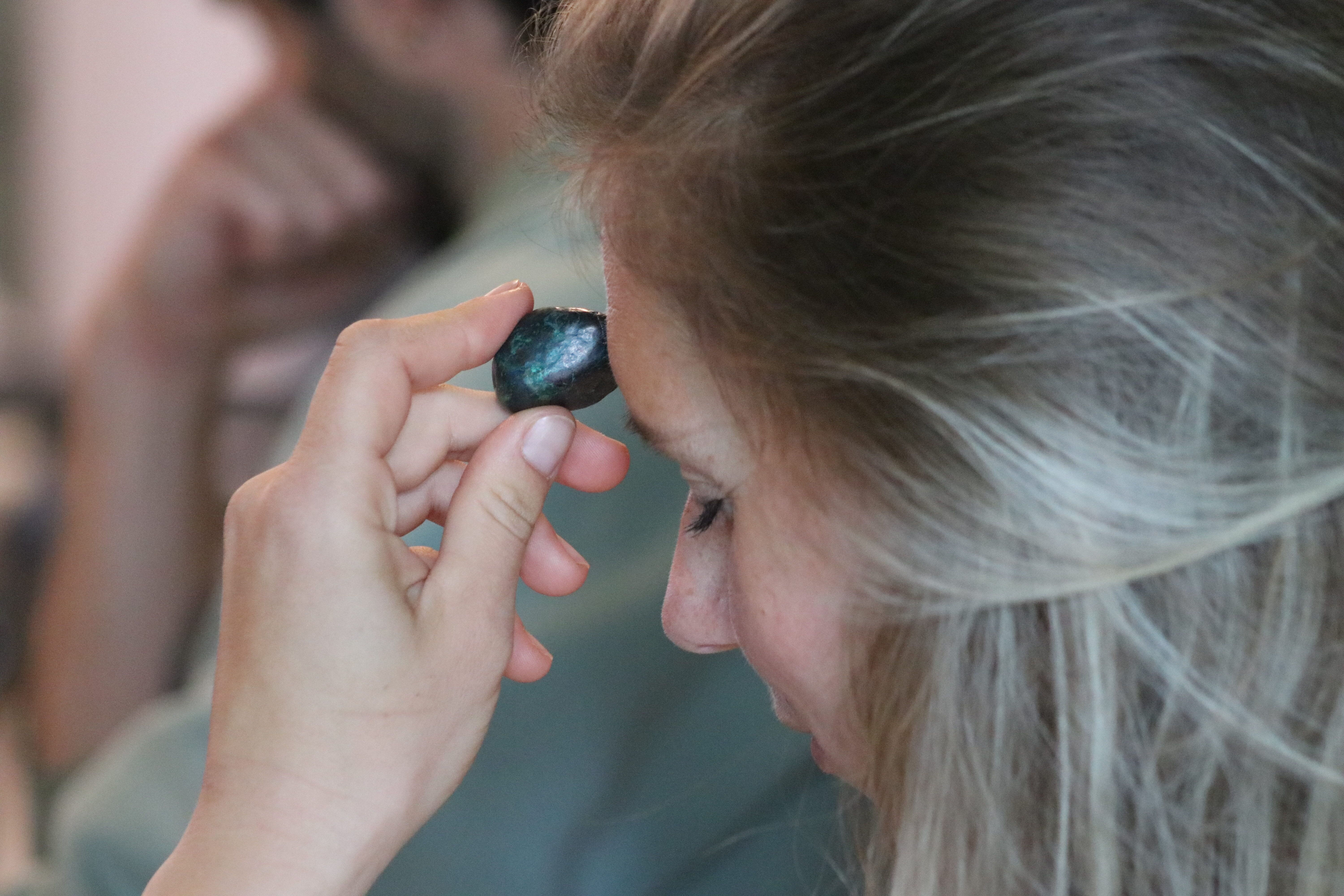
A recurring theme at IAS is the close relationship between art and science, which was reflected throughout the festival. Musical performances, storytelling, artistic interventions and reflective reading sessions complemented academic discussions, inviting participants to engage with complex questions by the means of multiple expression forms. Denny Borsboom and Marten Scheffer delighted the audience with live music interventions amongst intriguing talks on the challenge of linking tipping theory to data. Throughout the afternoons, our then Artist-in-Residence Harpo ’t Hart invited participants into reflective reading sessions exploring listening, language, and ecological perspectives.
Overall, the festival highlighted the continued importance of interdisciplinary collaboration in addressing the challenges of an increasingly complex world. It provided a space for meaningful exchange across fields, sectors, and career stages, while fostering curiosity-driven research and innovative approaches to societal questions.
Further information about the festival, including the full programme, highlights and reflections can be found in the online festival magazine of the IAS Festival.