Are social networks different to other types of networks? (online)
POPNET Connects with Pádraig MacCarron and Shane Mannion
In this seminar of the seminar series POPNET Connects, Pádraig MacCarron, lecturer in the Department of Mathematics & Statistics at the University of Limerick, and Shane Mannion, 3rd year PhD student studying in the University of Limerick, will discuss the structural properties of social networks and whether they are different to other types of complex networks.
Event details from: Are social networks different to other types of networks? (online)
- Date
- 1 June 2023
- Time
- 15:00 – 16:00
Please register for the seminar via one of the buttons below. You will receive a confirmation via email.
Are social networks different to other types of networks?
The structural properties of social networks have long purported to be different to other types of complex networks. Here, we re-evaluate some of these differences in order to assess whether they are truly distinguishable from non-social networks. We evaluate many network properties using new methods for fitting degree distributions, testing for assortativity and beyond nearest neighbour correlations, and other properties said to be common to social networks. We examine existing theories for forming social networks and assess how they match with empirical results.
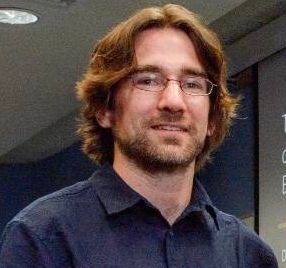
About Pádraig MacCarron
Dr Pádraig MacCarron is a lecturer in the Department of Mathematics & Statistics at the University of Limerick. His research is on complex networks with a particular focus on social networks, their structure and formation processes. He has worked on datasets in areas such as psychology, health, medieval literature as well as non-human primate social networks.
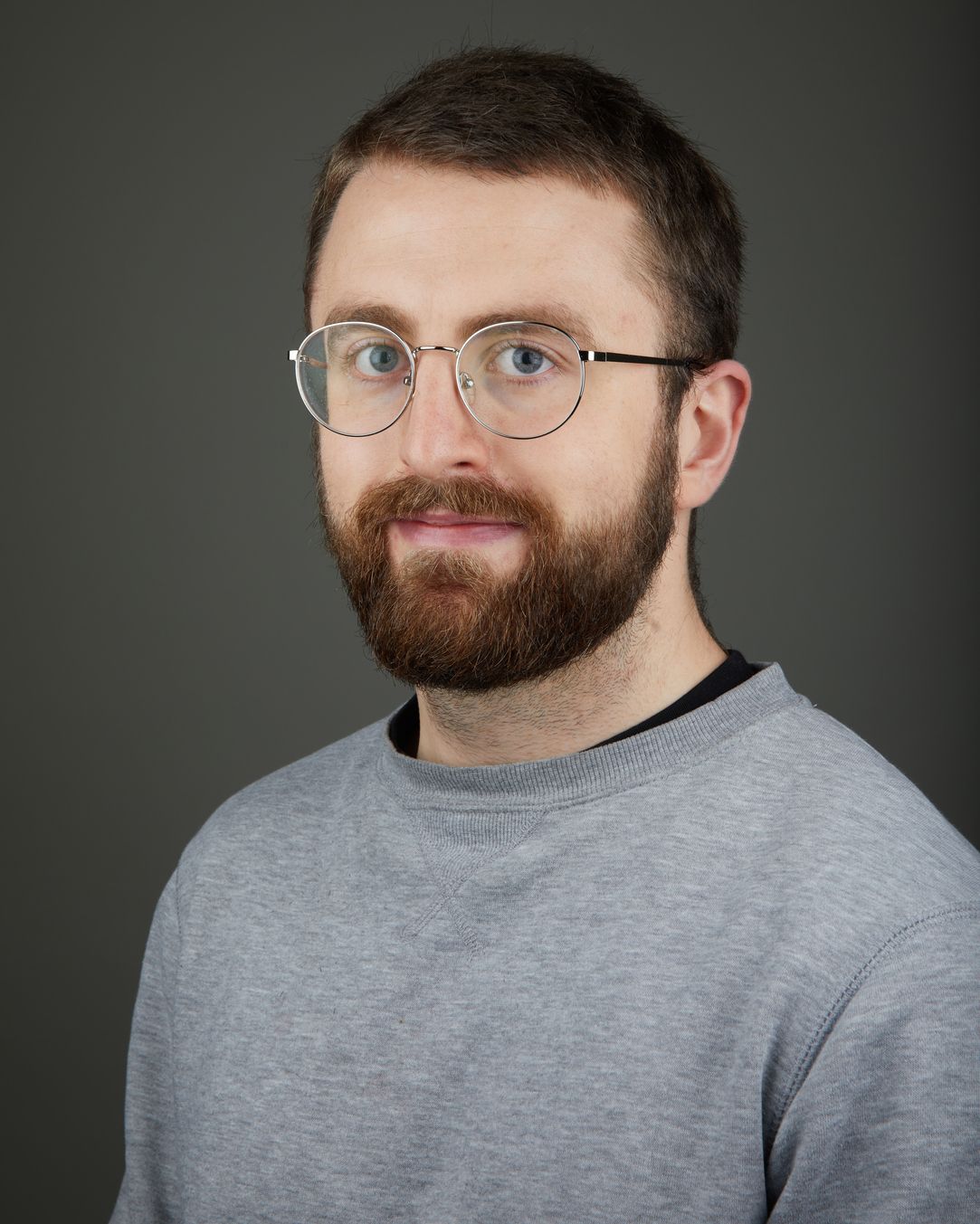
About Shane Mannion
Shane is a 3rd year PhD student studying in the University of Limerick, Ireland. He has a Bachelor’s degree in mathematical sciences, obtained at the University of Limerick as well. He mainly works on correlations on complex networks, their degree distributions, and the differences between networks of differing distributions. His interests in the field are varied, and he has recently began work on the spread of information on networks.
Do you want to be the first to receive updates about POPNET and upcoming events? Subscribe to their mailing list or follow POPNET on Twitter.